
Donating your brain to dementia research
Get involved
Donating your brain for research is a personal and generous decision.
It can help researchers better understand the diseases that cause dementia and develop new treatments for the future.
This page explains what brain donation involves, and how you can find out more if you’re considering it.
Jump to:
In this section:
Why is brain donation important?
Studying the brain is one of the most important ways scientists learn about dementia.
Looking at brain tissue after death helps researchers:
- Understand what causes different types of dementia.
- Improve how dementia is diagnosed.
- Develop new treatments and therapies.
Brain donation plays a vital role in this work, as it allows scientists to study changes in the brain in detail.
Is brain donation right for me?
Deciding whether to donate your brain for research is a personal choice.
Some people choose brain donation because they want to help future generations and support research after their lifetime. Others prefer to contribute in different ways, such as taking part in research studies while they are alive.
There is no right or wrong decision.


"My dad Robert has been part of the National Survey for Health and Development since 1948 when he was two years old.
"He’s taken part in research for the greater good his whole life, so it’s only fitting that he has plans in place to donate his brain to research after he dies.
"He made the decision himself and informed me and my daughters. We’re absolutely on board with it. I have worked in a hospital environment, so talking about things like this isn’t taboo for us. We’re a very pragmatic family and can see the benefits of brain donation.
"When the time comes, the best part of him will be gone for us, but that doesn’t have to mean the legacy of his brain can’t continue. I know the number I need to ring when he passes away so we can ensure his wishes are honoured, as things have to move quickly within a set time frame. The knowledge we get from people donating their brains is so important. It’s what we need to get to a cure for dementia."
Julie Hughes, Alzheimer’s Research UK supporter, whose mum Sandy had Alzheimer’s disease
What does brain donation involve?
Brain donation is something that needs to be planned ahead.
If you choose to donate your brain:
- you register your decision with a specialist centre called a brain bank.
- your family or loved ones are involved in making arrangements after death.
- the brain is carefully collected and used for research.
This is done with care and respect, and specialist teams support families through the process.
Planning ahead
Brain donation needs to be arranged while the person is still alive and can consent to donation.
It usually isn’t possible to organise brain donation after someone has died, as consent must be given in advance and arrangements like which brain bank is receiving the donation, need to be in place.
How do I donate my brain to dementia research?
If you’re thinking about brain donation, these steps can help you understand what to do.
-
Find out more
Take time to learn about what brain donation involves and how it supports dementia research.
It can also help to talk to your family or loved ones, especially if you think you may need their support with arranging things. -
Contact a brain bank
Brain donation is arranged through specialist centres called brain banks.
They can explain the process and let you know whether they are currently accepting registrations.
You can find brain banks in the UK through the Human Tissue Authority.
Brain donation arrangements vary across the UK, and not all areas may have a nearby brain bank.
-
Register your decision
If you decide to go ahead, the brain bank will guide you through the registration process.
This needs to be done while you are still alive, as brain donation cannot usually be arranged after death.
-
Talk to your family or loved ones
It’s important to let the people close to you know your wishes.
This helps make sure your decision is understood and can be carried out. You may also want to record your wishes in writing, for example in your will.
-
Keep information safe
Keep any documents or contact details somewhere accessible and share them with your family or next of kin.
Download our helpful details sheet to record anything you would like other people to know.
-
Ask questions at any time
You can take time to ask questions and find out more before making a decision. You can choose not to donate at any point.
Choosing whether to donate your brain for research is a personal decision.
You may want to take time to think about it, talk to your family, and explore your options before deciding.

When her husband Andrew died, Sarah was determined to make a difference. She ensured Andrew’s brain was donated to medical research, like Andrew had arranged for.
"That was such a powerful and precious thing to offer to science.
"He was a geneticist and believed in what research can offer. It meant something good could still come from our loss."
Sarah, Alzheimer's Research UK supporter
Frequently asked questions about brain donation


If you have questions about brain donation, you can find more information through the Human Tissue Authority.
Visit the Human Tissue Authority website to find brain banks across the UK.
Brains for Dementia Research
Brains for Dementia Research is a UK programme that supports brain donation research by working with brain banks and researchers.
It helps scientists study brain tissue alongside information collected during a person’s life. This is important for understanding dementia and developing new treatments.
Other ways to support research
You can also support dementia research in other ways, including taking part in research studies during your lifetime.



Downloads
Dementia information
Read more about taking part in dementia research studies, including why it's important and how to sign up.
-

PDF, 4 MB, 13 pages


This information was updated in July 2026 and is due for review in July 2029. It was written by Alzheimer's Research UK's Information Services team with input from lay and expert reviewers. Please get in touch if you'd like a referenced copy.
This information is produced with support from The Perfume Shop who had no input into the content.

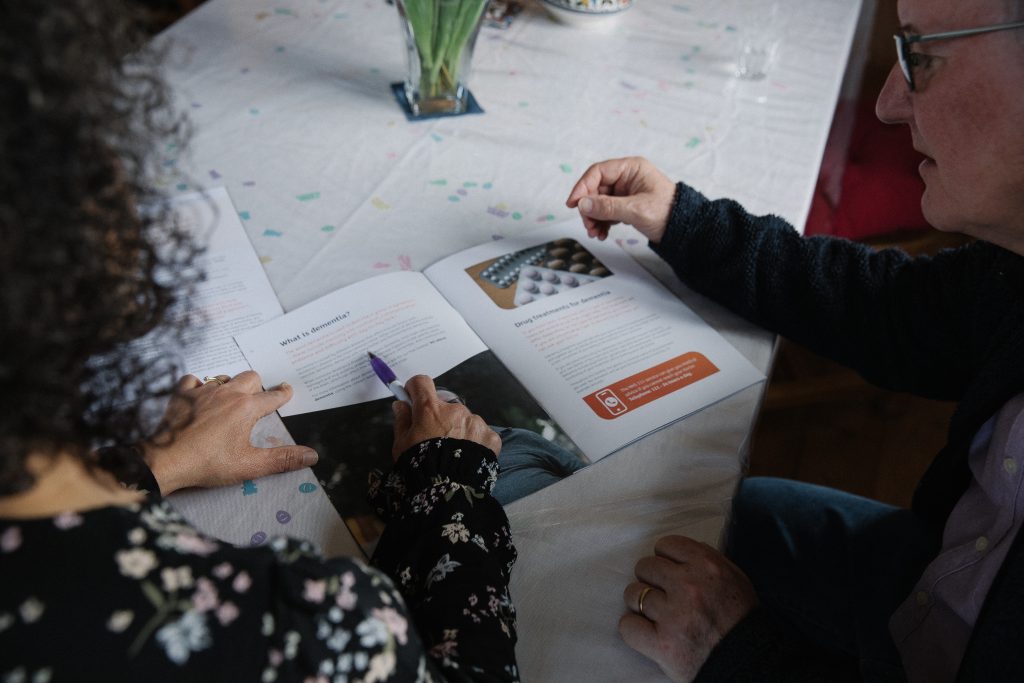
Order health information
Alzheimer's Research UK has a wide range of information about dementia. Order booklets or download them from our online form.

Complete the survey
Was this information helpful?
Let us know what you think by filling out this short survey.