
Clinical trials for dementia
Get involved
Without clinical trials, new treatments and therapies won’t reach people living with dementia. And researchers need people like you to take part. This information is for anyone thinking about taking part in clinical trials, or for anyone interested in what might be involved.
If you or a loved one would like to take part in a clinical trial, call our Dementia Research Infoline on 0300 111 5111 or infoline@alzheimersresearchuk.org to find out what studies are running near to you.
In this section:
What is a clinical trial?
A clinical trial is a research study that tests if a new treatment or therapy is safe and effective. This could be a medicine or a non-drug approach like a medical device, talking therapy or exercise programme.
There are currently over 150 potential treatments for different types of dementia being tested in clinical trials across the world.
Most clinical trials require regular visits to a clinic or hospital before the study is completed.
The length of a clinical trial can vary depending on the treatment being tested. Some clinical trials last a few months, while others may last over a year.

Here are the different things a clinical trial might aim to do:

Why take part in a dementia clinical trial?
Clinical trials are a vital part of the journey to find new treatments. They help researchers understand what works, what doesn’t, and what could make a real difference to people’s lives.
Every new drug, therapy or diagnostic tool must go through a series of trials to make sure it’s safe and effective. Without clinical trials, there can be no new breakthroughs.
But in the UK it can take up to three years to recruit enough volunteers for a dementia clinical trial. That’s longer than it usually takes to complete an entire cancer trial.

Thanks to scientific research and people just like you who volunteer to take part, we now understand more about the brain and dementia than ever before.
In recent years, the first treatments that slow Alzheimer’s disease have become available privately in the UK. This shows that progress is possible. And we believe that if the diseases that cause dementia can be slowed, then they can be stopped.
This is where volunteers play a crucial role. Research can only move forward if people take part in studies.
Larry and his wife Rita are passionate advocates for clinical trials. The film shows how early diagnosis and encouraging people to participate in drugs trials is vital in the search for a cure for Alzheimer’s and other forms of dementia.
Who can take part in a dementia clinical trial?
You don’t need to have dementia to help. In fact, researchers need people from all backgrounds and ages, with and without a diagnosis. That’s because dementia can affect anyone from any race, gender, or even age.
Clinical trials are open to people from all communities in the UK, including people from Black, Asian and other ethnic backgrounds.
Some treatments work differently in different people. When trial participants reflect the diversity of the wider population, the results are more accurate and useful for everyone.
Unless people from all backgrounds volunteer, researchers cannot know whether treatments are safe and effective for everyone.
You don’t need to have any previous experience, and support is available if you have questions before taking part.

Unless people from all backgrounds volunteer, researchers cannot know whether new ways to treat, diagnose or prevent dementia treatments work for everyone.
What is involved in a drug trial?
The following information outlines the stages of a drug trial. The process may vary for different types of clinical trials which are not testing new medicines.

How can I find out about dementia clinical trials currently recruiting in the UK?
Clinical trials are essential for finding better ways to diagnose, treat, and care for people living with dementia. But it can be hard to know where to start or how to find the right trial for you or your loved one.
By signing up to Join Dementia Research, you or your loved one can find out whether you might be suitable for any studies. There are lots of different types of studies on Join Dementia Research – not just clinical trials.
Signing up is not a commitment to take part in any studies, but it is an easy way to find out what is available to you.
There are two ways to sign up:
1. Visit Join Dementia Research and sign up online.
This should take five to 10 minutes.

2. Fill in the form below for a call from our Dementia Research Infoline to sign up over the phone and ask any questions you may have.
Please note, calls from Alzheimer's Research UK will come from an 0300 or 01223 number.
You can also get in touch with Alzheimer’s Research UK’s Dementia Research Infoline for more information, on 0300 111 5111 or email infoline@alzheimersresearchuk.org
Frequently asked questions about taking part in dementia clinical trials

I still have questions. Who can I contact?
If you still have questions about dementia research or want to find out more about how you can get involved in studies or clinical trials, please contact our Dementia Research Infoline on 0300 111 5111 or email infoline@alzheimersresearchuk.org
Find out more about taking part in research



Downloads
Dementia information
Read more about taking part in dementia research studies, including why it's important and how to sign up.
-

PDF, 4 MB, 13 pages


This information was updated in July 2026 and is due for review in July 2029. It was written by Alzheimer's Research UK's Information Services team with input from lay and expert reviewers. Please get in touch if you'd like a referenced copy.
This information is produced with support from The Perfume Shop who had no input into the content.

Order health information
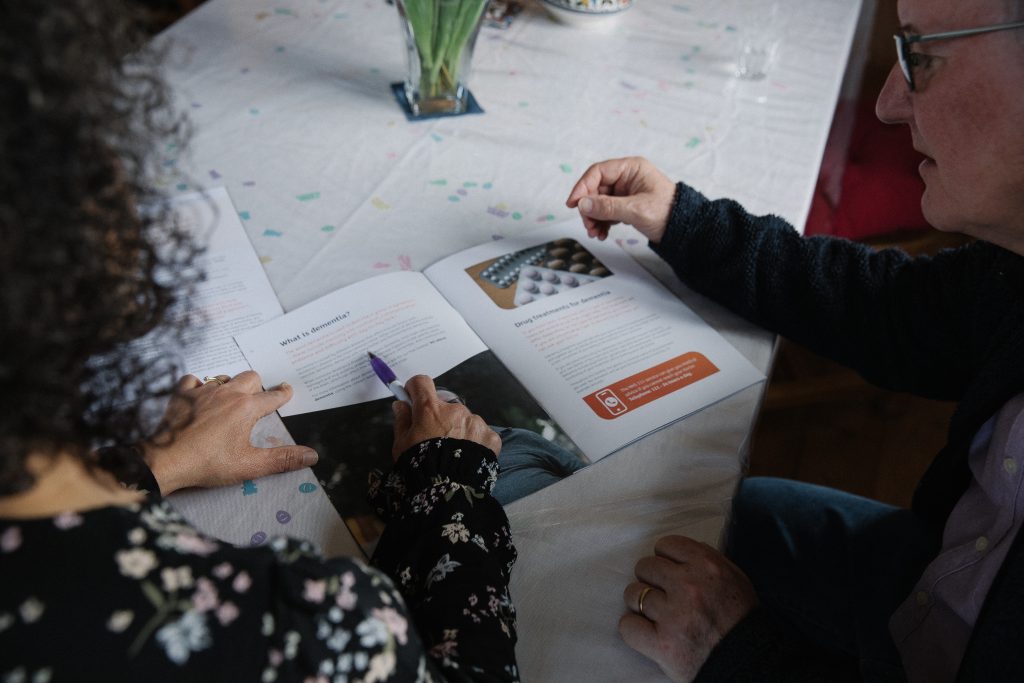
Alzheimer's Research UK has a wide range of information about dementia. Order booklets or download them from our online form.

Complete the survey
Was this information helpful?
Let us know what you think by filling out this short survey.