
What happens at the GP?
About dementia diagnosis
When someone is experiencing dementia symptoms, the first step is to make a GP appointment.
Jump to:
In this section:
Our memory and thinking naturally gets slightly worse as we get older.
This means it can be hard to tell whether changes in our memory and thinking are age-related, early signs of dementia or a symptom of something else.
Symptoms like:
-

memory and thinking problems
-

changes to mood or behaviour
-

or changes to balance and coordination,
can be caused by lots of different conditions, not just dementia.
Vitamin deficiencies, thyroid problems, stress, and more can all cause these problems. And these are conditions that become more common as we get older too.
When someone experiences any dementia-like symptoms, the first step is to make a GP appointment.
Before your GP appointment
Before your talk to your GP about your memory and thinking concerns, here are a few things you can do to help feel prepared.
You can ask for a longer appointment if you think you may need extra time to explain your concerns or want to ask questions. You can also ask to see your GP in person, rather than having a phone call.

1. Make notes
Many people find it useful to write down what they want to talk to their doctor about and bring it to their appointment.
This can include information about:
-
What symptoms you have.
-
How long you've had symptoms for.
-
How often your symptoms happen.
-
Whether your symptoms have got worse over time.
-
Whether other people have noticed your symptoms.
Download and fill in the resources below before your GP appointment to help you explain your symptoms.

2. Keep a diary
Writing down the symptoms you experience as soon as they happen can be very helpful. It can help a doctor to see how your symptoms are affecting you, how often they occur, and whether they’re getting worse.
You can write them in a notebook, on a note on your phone, or ask someone you trust if they can help.

3. Ask someone to come with you
A friend or family member can go to your appointment with you. They can support you to explain to your GP what’s worrying you, as they may have noticed changes that you haven’t.

4. Make a list of all your medications
Write down all of your medications – prescribed, over the counter and supplements.
Your doctor will ask about these in your appointment. It’s helpful to be prepared so you don’t forget anything.
Tips for talking to your GP about your memory and thinking
Below you can hear about from Claire about her dad Bob's diagnosis of frontotemporal dementia.
No two people experience dementia the same. If you are worried about memory and thinking problems, talk to your doctor.
During your GP appointment
When you first see your GP, they’ll ask you questions about your symptoms and how they’re affecting you.
They may also do a blood test and ask you to complete a short memory and thinking test.
You can find out more about what your appointment might involve below. There are also some helpful tips for getting the most out of your appointment.
Asking about your symptoms
Your doctor will ask you some questions about your concerns.
This is your opportunity to explain what your symptoms are, how they affect you, and why you’re worried.
Medical history check
Your GP will also look at your medical history. This includes whether you have any existing medical conditions, including:
-

heart disease
-

diabetes
-

depression
-

stroke
They will also check whether those conditions are being properly managed.
Your GP will also review any medications you’re currently taking. This includes prescribed, over the counter and alternative medications, including supplements.
It’s important to tell your doctor about any medications you’re taking at the moment. Some medications can cause memory and thinking problems as a side-effect.
Your doctor may be able to adjust your dose or prescribe a different treatment that doesn’t affect your memory as much.
Physical examination
During a physical examination, your doctor might check your:
-

blood pressure
-
balance
-

weight
-

co-ordination
For example, they might ask you to complete a finger tracking exercise or touch your nose with your eyes closed. This is to help the doctor understand your symptoms better and rule out other conditions.
Memory and thinking test
You will usually be asked to complete a short memory and thinking test. This takes around five to 10 minutes.
You do not need to prepare for this test.
Your responses will be used to calculate a score. These written tests can’t diagnose dementia. But they can indicate to a GP that there are memory and thinking problems that need looking into.
Blood test
Memory and thinking problems are caused by a variety of different conditions.
A blood test can be used to diagnose some of these, such as thyroid disorders and vitamin deficiencies. Your GP will likely ask you to have a blood test to rule out these other conditions.
Making a referral
If your GP suspects that your memory problems are not just age-related, they may refer you to a memory clinic for more tests.
What to do if you don’t agree with your doctor’s decision
At the end of your appointment, your doctor may come to a conclusion that you don’t agree with. For example, that there’s nothing wrong with your memory or thinking. Don’t worry - there are things you can do if you’re still concerned:
-
Ask your doctor to explain clearly why they came to their conclusion.
-
Tell the doctor why you don’t agree and give examples of what you've noticed.
-
If you still don’t agree, you can see another doctor and get a second opinion.
Below you can hear about from Melissa about her mum Wendy's diagnosis of young onset Alzheimer's.
No two people experience dementia the same. If you are worried about any of the symptoms mentioned on this page, talk to your doctor.


Research is the only way we'll find new ways to prevent, diagnose and treat dementia and scientists need your help.
Without people volunteering to take part in research, finding a cure would be impossible. Find out more.
Downloads
Dementia information
Read more about getting a dementia diagnosis.
-

PDF, 5.82 MB, 15 pages

This information was updated in August 2025 and is due for review in August 2027. It was written by Alzheimer's Research UK's Information Services team with input from lay and expert reviewers. Please get in touch if you'd like a referenced copy.
This information is produced with support from The Perfume Shop who had no input into the content.

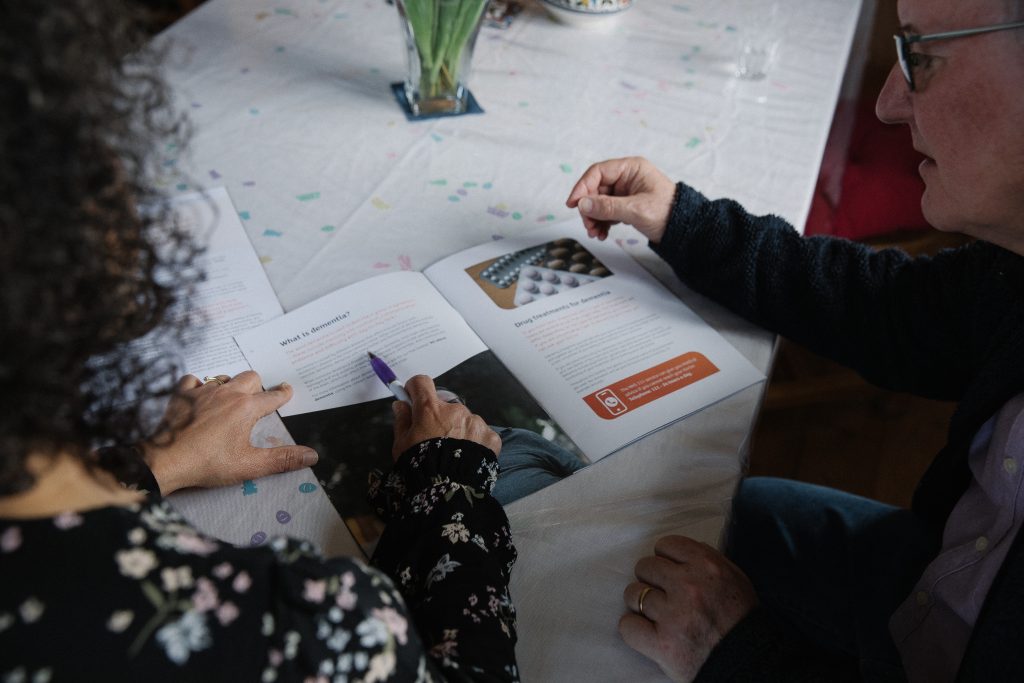
Order health information
Alzheimer's Research UK has a wide range of information about dementia. Order booklets or download them from our online form.

Complete the survey
Was this information helpful?
Let us know what you think by filling out this short survey.