
What are dementia risk factors?
Dementia risk
A risk factor is something that affects whether we could develop a condition like dementia.
Some risk factors can make a person more likely to get dementia. One risk factor on its own does not cause dementia.
For most of us, our risk of dementia is made up our age, environment, lifestyle, health and our genes. Some of these risk factors, like our age and genes, we can’t change.
However, research suggests that almost half (45%) of dementia cases of dementia are linked to risk factors we may be able to influence. This means that we take steps to protect our brain health to reduce our risk of developing dementia.
Jump to:
In this section
What risk factors for dementia are outside our control?
Our age, genes, sex, gender and ethnicity can all affect our risk of dementia. Click on each page below to find out how.


Can I reduce my risk of dementia?
There is currently no certain way to prevent dementia. That’s because we cannot change our age or genes.
However evidence suggests that almost half of dementia cases worldwide are linked to risk factors we may be able to influence.
This means that there are steps we can take to protect our brain health, and reduce our dementia risk.
Many of these risk factors are the same as for cardiovascular disease, like heart disease and stroke. By leading a healthy lifestyle and doing regular physical activity you will be lowering your risk of cardiovascular disease, and you may lower your risk of developing dementia too.
Research has found this is particularly important in our mid-life (aged 40-65), but we can take steps to look after our brain health at any age.
You may be more likely to develop dementia if you:
- have certain health conditions, such as hearing loss or diabetes.
- smoke or have a long‑term unhealthy diet.
- have fewer opportunities to exercise our brain, for example through learning or doing mentally stimulating activities.
- experience ongoing loneliness.
Studies have found that people with healthier lifestyles are less likely to develop dementia. And, for those who do go on to develop it, symptoms progress more slowly.

Frequently asked questions about dementia risk
It is normal to have questions about dementia and the diseases that cause it.
We’ve gathered some of the most common questions to our Dementia Research Infoline below.
Other medical conditions and dementia
Questions about metals
Our research

Alzheimer's Research UK have invested more than £270 million in dementia research since 1992. This includes studies looking into why some people develop dementia and others don't.

Research is the only way we'll find new ways to prevent, diagnose and treat dementia and scientists need your help.
Without people volunteering to take part in research, finding a cure would be impossible. Find out more.
Downloads
Dementia information
Read more about dementia risk, including the factors that we may be able to influence.
-

PDF, 6.14 MB, 21 pages
Latest news about dementia risk and brain health



Order health information
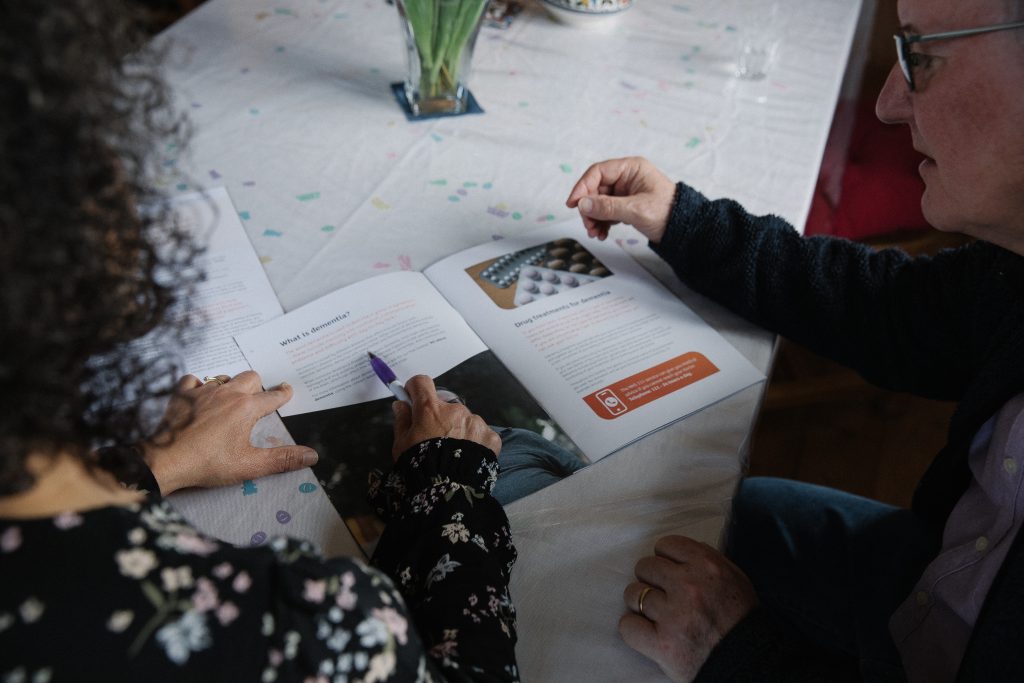
Alzheimer's Research UK has a wide range of information about dementia. Order booklets or download them from our online form.

Complete the survey
Was this information helpful?
Let us know what you think by filling out this short survey.

This information was updated in July 2026 and is due for review in July 2028. It was written by Alzheimer's Research UK's Information Services team with input from lay and expert reviewers. Please get in touch if you'd like a referenced copy.
This information is produced with support from The Perfume Shop who had no input into the content.
